Government
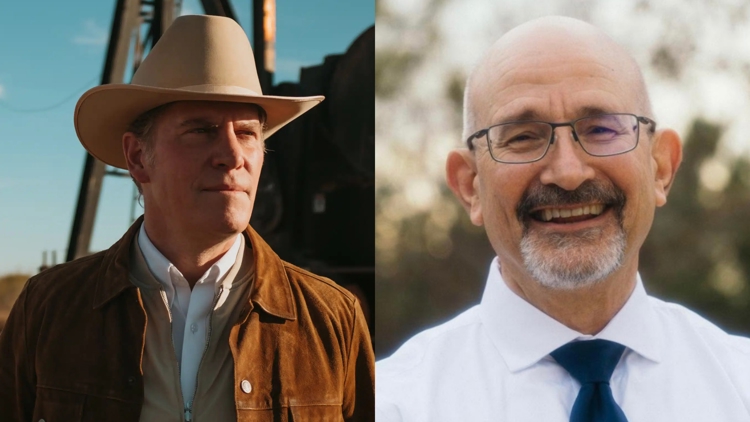
Texas election results: Bo French, Jon Rosenthal in the race for Texas Railroad Commissioner
By Jasmine Patel
Advertisement · Why this ad?
Carlos Jimenez has spent over six years working as a community reporter at the Houston Press. He holds a degree in Communication from the University of Houston and focuses on neighborhood events, cultural happenings, and community issues in League City.
More from Carlos →
As the sun rises over the lush fields of League City, a palpable excitement fills the air. Farmers are gathering at the local community center, their faces illuminated not just by the morning light but by the hope that change is on the horizon. At the center of this fervor is Clayton Tucker, a name that has become synonymous with a potential new chapter for Texas agriculture. If elected, Tucker will usher in a new era for the agriculture department as the agency’s first Democratic commissioner since Jim Hightower in 1990.
Clayton Tucker has been making waves in the political landscape of Texas agriculture, positioning himself as a candidate who understands the challenges faced by farmers and ranchers across the state. With a platform focused on sustainability, innovation, and community support, Tucker aims to revitalize the agriculture department, which has been predominantly led by Republicans for nearly four decades. His candidacy represents not just a shift in party affiliation but a broader vision for the future of agriculture in Texas.
Tucker’s campaign has resonated deeply with voters who feel that their voices have been overlooked in recent years. He emphasizes the importance of listening to the needs of farmers, advocating for policies that support local agriculture, and promoting environmentally friendly practices. This approach has garnered him a loyal following, particularly among younger voters who are eager for change and innovation in the agricultural sector.
As the election date approaches, the stakes are high for Tucker and his supporters. The agriculture commissioner plays a pivotal role in shaping policies that affect everything from crop production to food safety. Tucker’s promise to bring a fresh perspective to the role has sparked conversations about the future of farming in Texas, making this election one of the most significant in recent memory.
The community response to Tucker’s candidacy has been overwhelmingly positive. Local farmers have expressed their support, citing his understanding of the unique challenges they face. “Clayton knows what it’s like to work in the fields,” said Maria Gonzalez, a local farmer who has been in the industry for over twenty years. “He’s not just a politician; he’s one of us.”
This sentiment is echoed by many in the community who appreciate Tucker’s commitment to addressing issues such as water conservation, land preservation, and support for small farmers. His focus on sustainable practices has struck a chord with residents who recognize the importance of protecting the environment while also ensuring the viability of local agriculture.
In a recent town hall meeting, Tucker stood before a crowd of enthusiastic supporters, sharing his vision for the future. “We need to invest in our farmers, not just for today but for generations to come,” he declared, eliciting cheers from the audience. Many attendees were inspired by his passion and dedication, feeling that he truly understands the heart of Texas agriculture.
Local organizations, such as the Texas Department of Agriculture, have also expressed interest in Tucker’s plans, particularly his proposals for enhancing agricultural education and fostering innovation. These initiatives are crucial for equipping the next generation of farmers with the skills needed to thrive in an ever-changing industry.
One of the most significant aspects of Tucker's campaign is the diverse coalition he has managed to build. His supporters include not only traditional farmers but also younger urban gardeners, environmental activists, and agricultural scientists. This broad base of support reflects a growing recognition that agriculture in Texas is not just about large-scale farming but also about sustainable practices that can benefit urban and rural communities alike.
Many of Tucker's supporters are also involved in local initiatives aimed at promoting food security and sustainability. For instance, the Local Harvest network has collaborated with Tucker’s campaign to push for policies that support community gardens and local food systems. This partnership showcases how Tucker's vision aligns with grassroots movements aimed at creating a more equitable food system.
As the election draws near, Tucker's campaign is ramping up efforts to reach voters across Texas. His team is organizing events, canvassing neighborhoods, and utilizing social media to spread his message. The goal is clear: to engage with as many constituents as possible and ensure that their voices are heard in the upcoming election.
Moreover, Tucker is focusing on building coalitions with various agricultural groups, recognizing that unity is essential for driving meaningful change. By collaborating with organizations that represent diverse interests within the agricultural community, he aims to create a comprehensive platform that reflects the needs of all Texans.
If elected, Tucker’s vision includes implementing policies that promote sustainable farming practices, enhancing support for local farmers, and advocating for fair market prices. He believes that a strong agriculture sector is vital not only for the economy but also for preserving the cultural heritage of Texas.
As residents of League City and beyond prepare to cast their votes, the excitement surrounding Tucker’s campaign is palpable. The prospect of having a Democratic agriculture commissioner for the first time in nearly 40 years has sparked hope for a brighter future in Texas agriculture. Tucker’s commitment to community, sustainability, and innovation resonates deeply with voters who are ready for a change.
For many in the community, Tucker's election could signify more than just a political shift; it represents an opportunity to redefine what agriculture means in Texas. With climate change affecting weather patterns and water availability, farmers are increasingly looking for leadership that prioritizes sustainable practices. Tucker's platform includes initiatives aimed at combating these challenges, such as advocating for better irrigation techniques and investing in research for drought-resistant crops.
Additionally, Tucker's approach to food safety and local food systems could reshape how Texans think about their food sources. By emphasizing transparency and supporting local producers, he hopes to create a food network that is not only efficient but also equitable, ensuring that all Texans have access to fresh, healthy food.
In conclusion, Clayton Tucker stands at the precipice of a significant political shift in Texas agriculture. His candidacy represents not just a chance for change but an opportunity for the community to rally around a shared vision for the future. As League City residents prepare to make their voices heard in the upcoming election, one thing is clear: the heartbeat of Texas agriculture is alive and well, and it is ready for a new leader.
By Jasmine Patel

By Carlos Jimenez

By Brad Fischer

By Brad Fischer