
Community
Former Turkey Leg Hut owner sentenced to more than 8 years in federal arson case
By Brad Fischer
Advertisement · Why this ad?
Carlos Jimenez has spent over six years working as a community reporter at the Houston Press. He holds a degree in Communication from the University of Houston and focuses on neighborhood events, cultural happenings, and community issues in League City.
More from Carlos →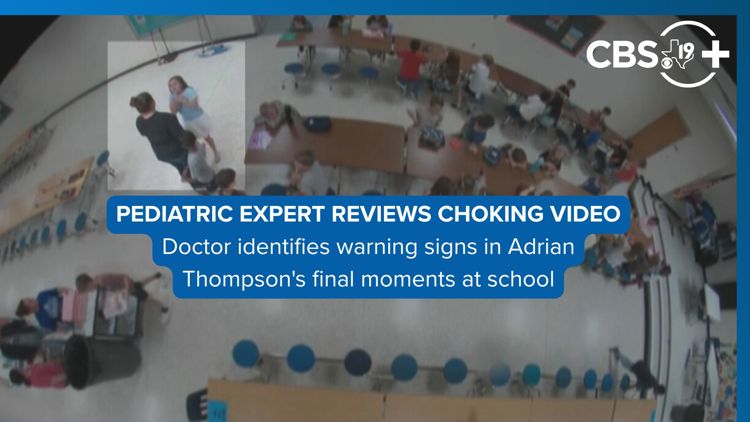
On a bright, sunny afternoon in League City, a mother was watching her daughter play outside, completely unaware that a tragic event was about to unfold. As the little girl laughed and played, she suddenly began to choke on a piece of food, and the joyful scene turned into a frantic race against time. This heart-wrenching incident has led to increased awareness about the signs of choking in children, as pediatric expert Dr. Scott Hadland recently reviewed a video of the emergency that claimed the girl's life.
The incident occurred in a neighborhood not far from the heart of League City, a place where families gather, children play, and laughter fills the air. However, in a split second, that laughter can turn into panic. Dr. Scott Hadland, a respected pediatrician, emphasized that the early signs of choking can often be subtle and easily overlooked by parents and caregivers. He pointed out that even when a child can still make sounds or communicate, they may be in grave danger.
In his review, Dr. Hadland highlighted the importance of recognizing these warning signs, which can include coughing, gagging, or a change in the child's skin color. These indicators are critical to understanding when a child needs immediate help. The tragic case of the young girl serves as a stark reminder of how quickly a joyful moment can turn into a life-threatening emergency.
Choking is a leading cause of injury and death among children, particularly those under the age of five. According to the Centers for Disease Control and Prevention, thousands of children visit emergency rooms each year due to choking incidents. This alarming statistic underscores the need for education on prevention and response strategies.
Dr. Hadland pointed out that many parents may not realize that certain foods pose a higher choking risk, such as whole grapes, popcorn, and nuts. Additionally, he noted that even small toys can be dangerous if they are within a child's reach. As we gather around tables for family meals or playtime, it's essential to be vigilant and proactive in safeguarding our children from choking hazards.
The League City community has been deeply affected by the tragic loss of the young girl. Local parents are coming together to discuss the importance of choking awareness and prevention. Many are sharing their own experiences and the lessons learned from close calls.
One mother, Maria Gonzalez, shared her story of how her son once began to choke while eating a piece of candy. “I was terrified,” she recalled. “I had no idea what to do, and luckily he was able to cough it out. But it made me realize how quickly things can go wrong.” Maria, like many others, is now advocating for more community education on this critical issue.
Local schools are also taking action. The League City Independent School District is planning to hold workshops for parents and caregivers, teaching them how to recognize choking hazards and respond effectively in emergencies. These initiatives reflect the community's commitment to ensuring the safety and well-being of its children.
In addition to school workshops, local businesses and organizations are stepping up to support choking prevention efforts. For instance, a local gym has offered to host free first aid training sessions for parents, while nearby restaurants are considering implementing educational campaigns about choking hazards on their menus. Such collaborative efforts highlight the community's dedication to creating a safer environment for children.
Dr. Hadland's insights serve as a vital resource for parents, emphasizing the need for vigilance and preparedness. He urges adults to familiarize themselves with the Heimlich maneuver and other first aid techniques that can be lifesaving in a choking emergency. “Knowing what to do can make all the difference,” he stated.
Moreover, the pediatric expert recommends that parents create a choking hazard checklist for their homes, identifying potential risks and eliminating them. This proactive approach not only protects children but also fosters a culture of safety within families. Community leaders are also discussing the potential for developing a standardized list of choking hazards that could be distributed to families, ensuring that everyone has access to critical information.
In light of this tragic event, several organizations are stepping up to provide resources and support to families. The American Academy of Pediatrics offers a wealth of information on choking prevention, including guidelines on safe food choices and age-appropriate toys.
Additionally, the American Red Cross provides training courses in CPR and first aid, which can equip parents with the skills they need to respond confidently in emergencies. These resources are invaluable for building a safer community for our children.
In response to the recent tragedy, several local support groups have emerged, providing a platform for parents to share their experiences and learn from one another. These groups meet regularly to discuss not only choking prevention but also other safety issues affecting young children. By fostering a sense of community and shared responsibility, these groups are helping parents feel less isolated in their concerns and more empowered to take action.
As League City moves forward from this tragic incident, the community is rallying together to ensure that such a heartbreaking event is not repeated. Parents are encouraged to take an active role in their children's safety, engaging in open discussions about choking hazards and emergency responses.
The hope is that through education and awareness, families can create a safer environment for their children to thrive. As we honor the memory of the young girl who lost her life too soon, let us commit to making our community a safer place for all children.
In the spirit of unity and resilience, League City stands together, ready to learn, to teach, and to protect our most precious treasures—our children. As part of this commitment, community leaders are exploring the possibility of establishing an annual safety fair, where families can gather to learn about various safety topics, including choking prevention, fire safety, and childproofing their homes. This event would not only educate but also strengthen community bonds, ensuring that everyone is equipped with the knowledge and skills needed to protect our children.
By Brad Fischer

By Daniela Ramirez

By Carlos Jimenez

By Carlos Jimenez