
Business
Someone in Houston who bought a Texas Lottery scratch-off just claimed $5 million
By Darius Long
Advertisement · Why this ad?
Darius Long brings a decade of experience from the San Antonio Express-News and has a master's degree in Business Journalism from Texas State University. His sharp analytical skills and deep understanding of the local economy make him an indispensable asset to the Houston Current.
More from Darius →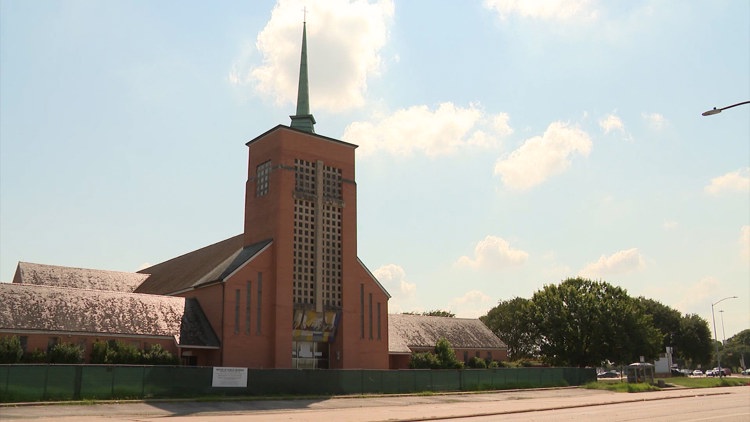
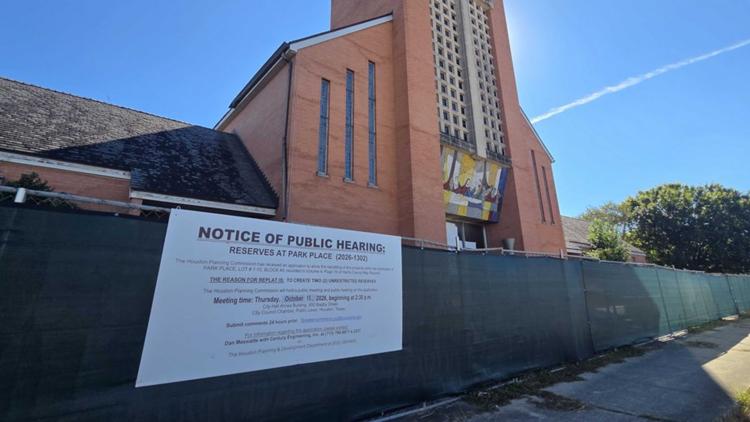
On a warm Houston afternoon, longtime resident Maria Gonzales paused outside the historic Park Place Methodist Church, her hands gently clasped as she looked up at the church’s iconic mosaic. For Maria, this church isn’t just a building; it’s a symbol of community resilience and faith that has anchored her neighborhood for decades. Her concern grew when rumors swirled about a proposed gas station project that threatened to replace the beloved structure with a commercial retail center. But just last week, those plans were officially withdrawn, leaving many residents both relieved and uncertain about the future of this historic site.
The proposed development aimed to transform the site of the former Park Place Methodist Church, located near the busy intersection of Gulf Freeway and Broadway, into a gas station accompanied by retail outlets. The project, valued at approximately $10 million, was set to include a modern convenience store, fueling stations, and small shops designed to serve the growing traffic in the area. However, opposition from the local community quickly mounted, with residents citing concerns over traffic congestion, loss of historic character, and the impact on local schools and churches.
After weeks of public meetings, petitions, and vocal community protests, the developer announced last month that they would withdraw their application. The decision was met with cheers from neighborhood advocates who argued that the site’s historic significance and community fabric should be preserved. City officials confirmed that the project had been officially pulled from consideration, but the future of the church building itself remains uncertain, leaving a question mark hanging over the site’s long-term fate.
The community’s response to the withdrawal was a mixture of relief and cautious optimism. Local pastors, families, and preservationists rallied together, emphasizing the importance of maintaining the church’s historic mosaic—a midcentury masterpiece that has become a local landmark. “This church is more than bricks and mortar; it’s a testament to our community’s faith and history,” said Reverend Samuel Carter of a nearby congregation. Many residents expressed concern that commercial development might have eroded the neighborhood’s character, which has been rooted in faith, family, and tradition for generations.
While the immediate threat of a gas station has been averted, the debate over the site’s future is far from over. Preservationists argue that the church’s mosaic, dating back to the 1960s, deserves protection under local historic designation laws. Conversely, some developers see the site as prime real estate that could accommodate new growth, provided that any future plans respect the community’s wishes. City officials have indicated they will consider options that balance development with historic preservation, but no formal proposals have yet emerged.
The Park Place Methodist Church is more than just an architectural relic; it embodies a significant chapter in Houston’s social history. Built in the mid-20th century, the church was a beacon for African American congregants during a time of segregation and social upheaval. Its mosaic, created by local artists, depicts themes of hope, resilience, and faith—values that resonate deeply within the local community. Over the years, the church has hosted countless community events, civil rights meetings, and youth programs, making it a cornerstone for generations of Houstonians.
Many residents, especially older community members, recall attending services and gatherings at the church, emphasizing its role as a gathering place that fostered community bonds. Preservation efforts are not just about maintaining a building; they are about safeguarding a legacy that reflects the cultural and spiritual identity of the neighborhood. Local historian Dr. Linda Martinez notes, “This site is a living monument to Houston’s diverse history. Its preservation is vital for future generations to understand the struggles and triumphs of those who built this city.”
The withdrawal of the gas station plan leaves the community at a crossroads. The church building itself, a symbol of faith and history, remains standing but vulnerable without a clear plan for its future. Local leaders and preservation advocates are calling for a comprehensive assessment of the site, including potential designation as a historic landmark. Meanwhile, residents like Maria Gonzales hope that the church can be restored or repurposed in a way that honors its past while serving the community’s needs. The city’s planning department has announced it will host a series of public forums in the coming months to gather input on the site’s future.
In addition to public forums, community organizations are mobilizing to propose alternative uses for the site, including converting the church into a cultural center, community hub, or educational space. Nonprofit groups specializing in historic preservation have expressed interest in partnering with the city to explore these options. Local business leaders also see potential in revitalizing the area through responsible development that respects the historic character of the neighborhood.
Furthermore, the Houston Historical Society has begun preliminary efforts to evaluate the church’s eligibility for official historic designation. If successful, this could provide legal protections and access to grants aimed at preservation. Such designations often serve as a catalyst for community-led revitalization efforts, ensuring that development respects the historical fabric of the neighborhood while accommodating growth.
Community members are eager to have their voices heard. At recent neighborhood meetings, residents expressed a desire for transparency and collaboration in shaping the future of the site. Local activists and faith leaders are advocating for a plan that preserves the church’s historic mosaic and architecture while allowing for adaptive reuse that benefits the community. Many emphasize that the church’s legacy should be a guiding principle in any future development plans.
In the meantime, the church remains a familiar sight on the Houston skyline—a reminder of the city’s rich cultural history and the ongoing dialogue between progress and preservation. As city officials prepare for upcoming public forums, the community’s hope is that a balanced approach will emerge—one that honors the past while embracing the future. The story of the Park Place Methodist Church exemplifies this delicate dance—where faith, history, and community spirit intersect. For many, the hope remains that this treasured landmark will not only survive but thrive as a testament to Houston’s enduring commitment to faith and family.
By Darius Long

By Ethan Collins

By Jasmine Patel
By Lila Mendez